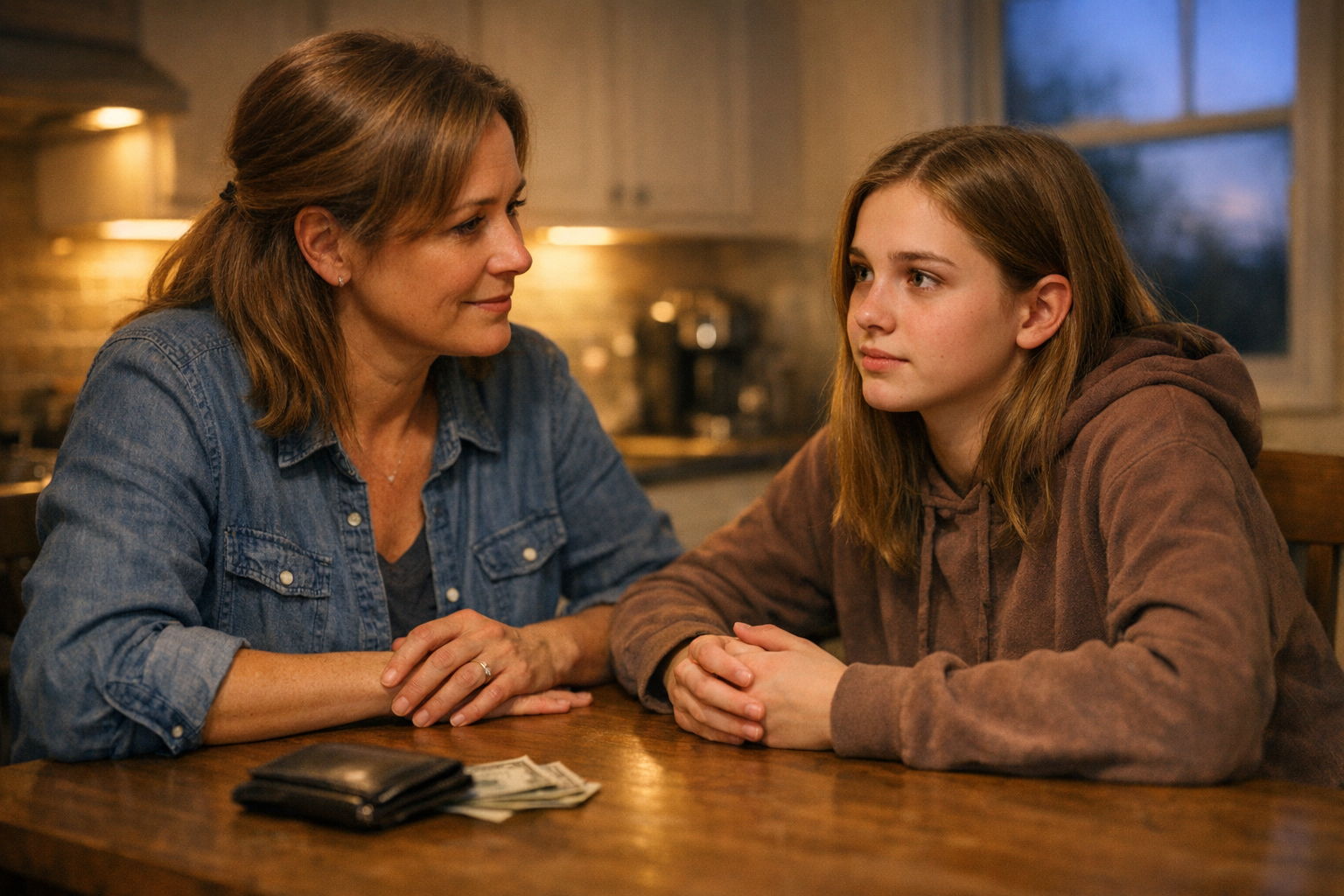
Divorce With Young Kids: What to Say, What Not to Say, and How to Support Them by Age
Divorce with young children can feel like you’re trying to hold everything together while your own heart is breaking. Many parents worry most about the same thing: What will this do to my child?
The good news is that what helps kids most is often very practical: clear, simple words; steady routines; and low-conflict co-parenting. This guide focuses on what to say (and what not to say), common age-based reactions, and steps you can take right now.
If you also want a broader look at long-term effects and protective factors, see this guide: How does parental divorce affect children later in life: positive and negative effects.
Advice:
If you’re feeling stuck between guilt, anger, and exhaustion, a quick self-check can help you choose a calmer next step. The Parenting Test can help you name what you’re carrying and what your child may be reacting to. Use it to focus on 1–2 changes you can realistically make this week.
Start with the goal: “safe, loved, and not in the middle”
Young kids don’t need a perfect explanation of divorce. They need to understand three basics:
- This is not your fault.
- Both parents love you.
- We will take care of you, and your life will still have routines.
When you’re deciding what to say, keep returning to that goal. It protects your child from feeling responsible, pulled to choose sides, or afraid about the future.
What to say (simple scripts you can use)
Use short sentences, concrete details, and calm repetition. Here are examples you can adapt:
- Core message: “Mom and Dad are not going to live together anymore. We both love you. You didn’t cause this. We will take care of you.”
- When your child asks why: “We tried to fix our grown-up problems, but we couldn’t. This is a grown-up decision, and you are not responsible.”
- When your child worries about leaving you: “You will have time with both of us. When you’re with Dad, I’ll be okay. When you’re with me, Dad will be okay.”
- When you don’t know an answer yet: “I don’t know that today. As soon as I know, I will tell you.”
Many kids need to hear the same reassurance dozens of times. Repetition isn’t a sign you’re failing; it’s how young children learn safety.
What not to say (even if it’s true)
Some statements increase fear or loyalty conflicts. Try to avoid:
- Blame: “Your mom ruined our family.” / “Your dad doesn’t care.”
- Adult details: affairs, money disputes, legal strategy, or “who started it.”
- Pressure to choose: “Tell the judge you want to live with me.”
- Making your child your confidant: “You’re all I have.” / “I can’t handle this without you.”
- Interrogations after visits: “What did they say about me?”
If you need to vent, do it with another adult (a trusted friend, counselor, support group), not in front of your child.
How young kids often react (by age) and what helps
Kids can show stress through behavior, sleep, appetite, or separation anxiety. These patterns are common, but every child is different. For deeper age-by-age details, you may also find these helpful: How Divorce Affects Kids: Emotional and Social Impact by Age and How Divorce and Separation Can Affect Babies and Teens.
Babies & toddlers (0–3)
- What you may see: clinginess, sleep changes, more crying, regression (bottles/pacifiers), intense separation distress.
- What helps: consistent routines, familiar caregivers, comfort objects, predictable transitions (same goodbye script, same pickup rhythm).
Preschoolers (3–5)
- What you may see: magical thinking (“If I’m good, you’ll get back together”), tantrums, fear of abandonment, bathroom regression.
- What helps: short explanations, frequent reassurance it’s not their fault, picture calendars for custody time, “two-home” language (“At Mom’s house…”).
Early elementary (6–8)
- What you may see: sadness, anger, loyalty conflicts, school dips, physical complaints (stomachaches, headaches).
- What helps: permission to love both parents, predictable schedules, teacher heads-up, calm check-ins (“What’s the hardest part this week?”).
Older kids (9–12)
- What you may see: strong opinions about fairness, blaming one parent, embarrassment, withdrawal, taking on “adult” responsibilities.
- What helps: respectful listening without recruiting them to your side, clear boundaries (“This is adult stuff”), involvement in practical planning where appropriate (room setup, routines).
Co-parenting steps that reduce stress for young kids
You don’t have to co-parent perfectly to help your child. You do need a plan that minimizes surprises and conflict cues.
1) Keep transitions boring and kind
- Use the same drop-off routine each time (short hug, one reassurance line, consistent goodbye).
- Avoid arguing at exchanges; choose neutral locations if needed.
- Send essentials (medicine, school items) without making it a battleground.
2) Agree on a few “non-negotiables” across both homes
Pick the basics that help kids feel grounded:
- Bedtime window
- Schoolwork expectations
- Screen-time limits (roughly aligned)
- Rules about adult partners meeting the child
If you can only align on two things, start there. Consistency beats intensity.
3) Use child-focused communication
- Keep messages brief, factual, and centered on logistics.
- Don’t use your child as the messenger.
- When conflict rises, pause and respond later if possible.
For a clear list of practical do’s and don’ts, see: What should and what should not parents do when they divorce.
4) Create a simple “two-home” system
- Duplicate key items if you can (toothbrush, pajamas, favorite stuffed animal).
- Use a shared calendar your child can understand (colors or symbols for each home).
- Keep comfort predictable: same lullaby, same bedtime phrase, same morning routine.
Common tough questions (and calm answers)
“Is it my fault?”
“No. This is a grown-up decision. You didn’t cause it, and you can’t fix it.”
“Do you still love Dad/Mom?”
“We both love you. We’re changing how our grown-up relationship works, but we will always be your parents.”
“Will you get back together?”
If reconciliation is not on the table, it’s usually kinder to be clear: “No. We won’t live together again. But we will both take care of you.”
“Where will I live?”
Give the concrete plan if you have it. If you don’t: “We’re still deciding the schedule. You will have a home with both of us, and we’ll tell you as soon as it’s settled.”
When to seek professional help
Divorce is a major stressor, and some kids (and parents) may need extra support. Consider talking with your pediatrician, a licensed child therapist, or a family counselor if you notice:
- Ongoing sleep problems, panic, or intense separation anxiety that doesn’t ease over several weeks
- Persistent sadness, hopelessness, or major behavior changes at home or school
- Frequent physical complaints without a clear medical cause
- Talk of self-harm or wanting to die, or any signs of unsafe behavior
For general guidance on children’s mental health and when to get help, you can review resources from the American Academy of Pediatrics and the CDC.
Tip:
If conversations keep turning into tears, shutdowns, or power struggles, it may help to follow a simple plan rather than relying on willpower. The Parenting Test can help you identify your stress patterns and choose phrases and routines that feel more steady for your child. Consider sharing the results with a counselor or co-parent to align on the next small steps.
Divorce is a hard transition, but kids can do well when they feel protected from conflict and anchored by loving routines. Focus on clear, age-appropriate words, predictable schedules, and steady reassurance that they are safe and deeply loved in both homes.