What Does a Kindergartener Really Need for School (Beyond Supplies)?
Starting kindergarten (or moving from preschool into “big school”) is a major shift for kids and parents. There are lists to buy, routines to learn, and new people to trust.
This guide keeps the focus on what matters most in the school setting: a simple supply plan, a calm home routine, and practical ways to collaborate with teachers and navigate peer situations.
If you want the bigger picture on children’s emotional needs and practical essentials at every age, see this main guide: Providing needs for your child. What really children need from their parents.
Advice:
If you feel torn between “I don’t want to overdo it” and “I don’t want my child to struggle,” a quick self-check can help you choose a realistic focus. Take the Parenting Test and look for one or two areas to prioritize for the first month of school (like morning routine, independence skills, or separation at drop-off). Then build a simple plan you can repeat, not a long list you can’t maintain.
Start With the School’s List (Then Edit It)
Before you buy anything, check your teacher’s supply list and any school emails about required items. Some items are brand-specific (like folders with prongs), while others are flexible (like crayons).
Quick “edit the list” rule: buy what’s required, then pause. Add extras only after you see what your child actually uses in the first 2–3 weeks.
Backpack and Lunch Gear: The “Independence Test”
In kindergarten, the best gear is the gear your child can manage without adult rescue. Use this quick test at home before school starts.
- Backpack fit: It should sit comfortably on the back (not sagging low) and your child should be able to zip/unzip it.
- Easy compartments: One main area and one smaller pocket is often enough. Too many pockets can become confusing.
- Lunch container: Your child should be able to open it quickly and close it securely.
- Water bottle: Practice opening, closing, and placing it back in the side pocket without leaking.
- Labeling: Label backpack, lunch items, and extra clothing so lost-and-found doesn’t become your weekly hobby.
School Clothes and Shoes: Choose “Bathroom-Ready” Outfits
Many kindergarten struggles are really “I couldn’t manage my clothes in the bathroom” struggles. Aim for outfits your child can handle independently.
- Fasteners: Elastic waists and simple closures help your child move quickly and confidently.
- Shoes: Velcro or easy slip-ons are often best if your child can’t tie yet (check your school’s footwear rules).
- Layers: A light jacket or hoodie they can put on and take off themselves reduces classroom frustration.
- Spare set: Keep an extra outfit in the backpack if the school recommends it.
At-Home Study Space: Keep It Simple and Repeatable
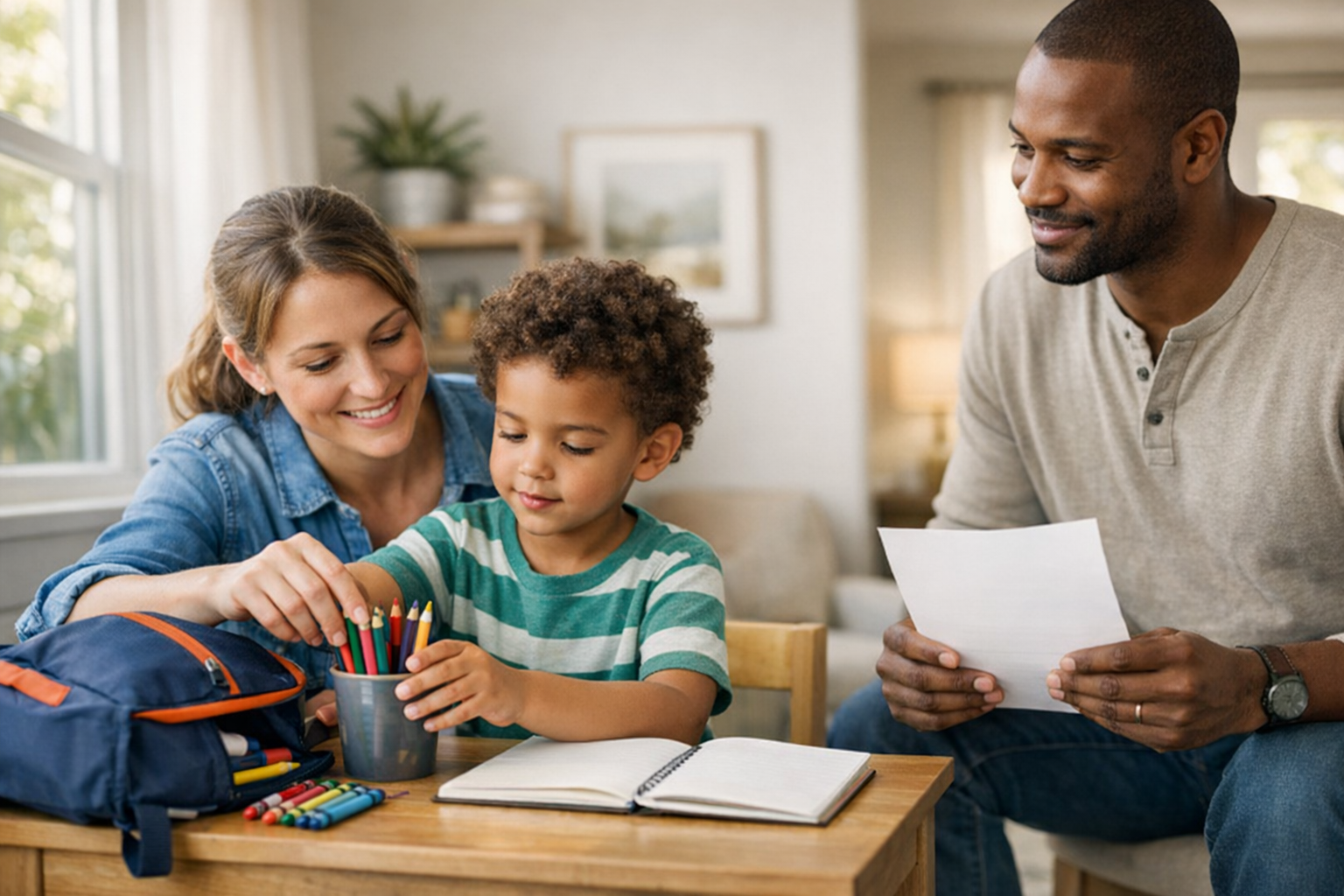
You don’t need a fancy setup. You need a consistent place that signals “this is where we do school stuff,” even if it’s the kitchen table.
- Work surface: Clear enough for a paper and a pencil box.
- Chair comfort: A stable chair that helps your child sit upright.
- Lighting: Even light across the work area (a basic lamp is fine).
- Supplies bin: One container for glue stick, scissors, crayons/markers, and pencils.
- Paper plan: A folder labeled “Return to school” so important papers don’t get lost.
Optional Tech (Only If Your School Uses It)
Some schools use apps for messages or simple learning tools. If you already have a phone or computer, that may be enough.
- Device expectations: Ask what the school expects families to use (and how often).
- Printing: Only consider a printer if teachers regularly send print-at-home items.
Teacher Collaboration: A Simple, Parent-Friendly Communication Plan
Kindergarten goes smoother when your child experiences “same team” energy between home and school. You don’t need constant contact—just clear, respectful communication.
What to share early (and briefly)
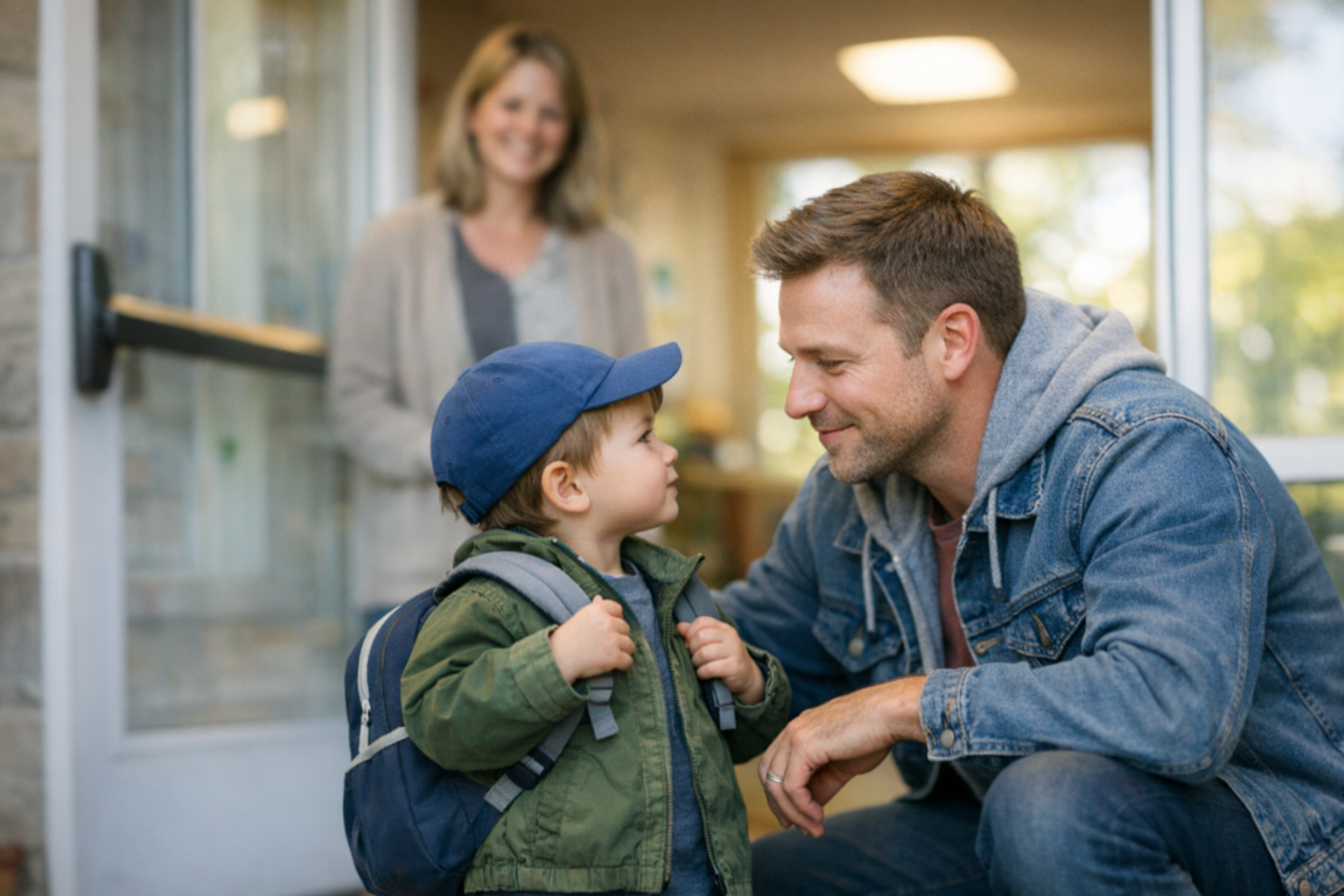
- Drop-off needs: “Quick hug, quick goodbye works best,” or “He may cry for 2 minutes, then settles.”
- Medical or learning needs: Share only what’s relevant, and ask how the teacher prefers to communicate.
- Family changes: If there’s something major affecting behavior (move, separation, loss), a short heads-up can help the teacher respond with care.
Questions that get useful answers
- “What does a typical day look like?”
- “How will I know if my child is adjusting?”
- “What skills help kids be successful in your classroom?”
- “What’s the best way to reach you, and what response time is realistic?”
Peer Scenarios: What to Say and What to Practice
Many kindergarten concerns show up as peer problems: hurt feelings, excluding, teasing, or conflicts over toys and space. Practice a few short scripts so your child has words when emotions run high.
Scenario 1: “Someone won’t play with me”
- Child script: “Can I play too?” If no: “Okay. I’m going to find something else.”
- Parent coaching: Validate feelings, then help them name two other options (ask another child, join a game, talk to the teacher).
Scenario 2: “Someone grabbed my stuff”
- Child script: “Stop. That’s mine. Please give it back.”
- Next step: “Teacher, I need help.”
Scenario 3: “Someone hit/pushed me”
- Child script: “Stop. Don’t touch me.” Then move away and tell an adult right away.
- Parent coaching: Reinforce that getting adult help is the right choice, even if the other child says “don’t tell.”
Scenario 4: “My child is the one who grabbed/pushed”
Stay calm and treat it as a skill gap, not a character flaw. Use brief, firm language at home: “Hands are not for hurting. When you’re mad, you can say ‘Stop’ or ask for help.” Then practice the replacement behavior.
School Readiness Checklists You Can Use This Week
Night-before checklist (5 minutes)
- Clothes laid out (including weather layer)
- Backpack packed (folder, library book if needed)
- Lunch and water bottle ready
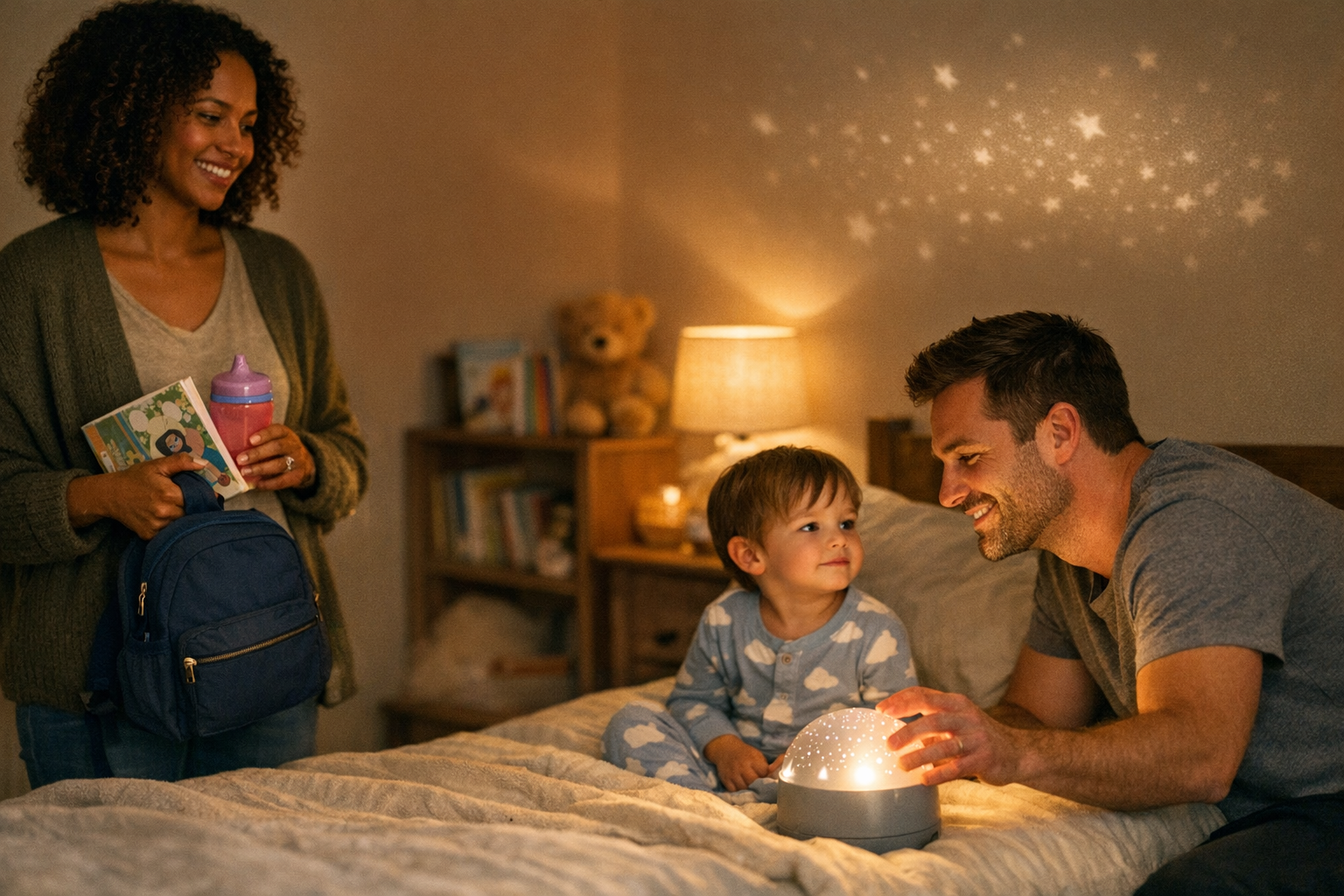
- One “connection moment” planned (a short chat, book, or game)
Morning checklist (keep it short)
- Breakfast + bathroom
- Shoes on
- Backpack on
- One calm goodbye routine
After-school reset
- Snack and decompression time
- Empty lunch box
- Check folder for notes
- Pick one small task for your child (put shoes away, hang backpack)
When to Seek Professional Help
It’s common for kids to have tears, clinginess, or behavior changes during the first weeks of school. Consider talking with your pediatrician or a licensed mental health professional if your child shows intense anxiety or distress that doesn’t improve over several weeks, refuses school consistently, has frequent physical complaints tied to school (like stomachaches) without a clear medical cause, or talks about self-harm.
For general guidance on children’s mental health and when to get help, you can review resources from the CDC and the American Academy of Pediatrics.
Related Guides for Younger Kids (If You’re Planning Ahead)
If you’re prepping earlier than kindergarten, these may help you plan the “what do we really need?” questions by age:
- Best Age to Start Daycare or Preschool (and How to Tell)
- 10 Must-Have Essentials for Toddlers (What Kids Really Need)
- Top 10 things needed for a baby. What do you really need
Tip:
If school prep is turning into arguments, it can help to focus on the parenting approach behind the routine. The Parenting Test can help you spot what’s most likely to reduce daily friction (clear expectations, choices within limits, or more connection at transitions). Choose one small change to try for two weeks, then reassess with the teacher if needed.
Kindergarten readiness isn’t about having the most supplies—it’s about helping your child function confidently at school: managing their gear, asking for help, and recovering from small social bumps. With a short checklist, steady routines, and a collaborative relationship with the teacher, you’ll give your child a strong start without overbuying or overcomplicating it.