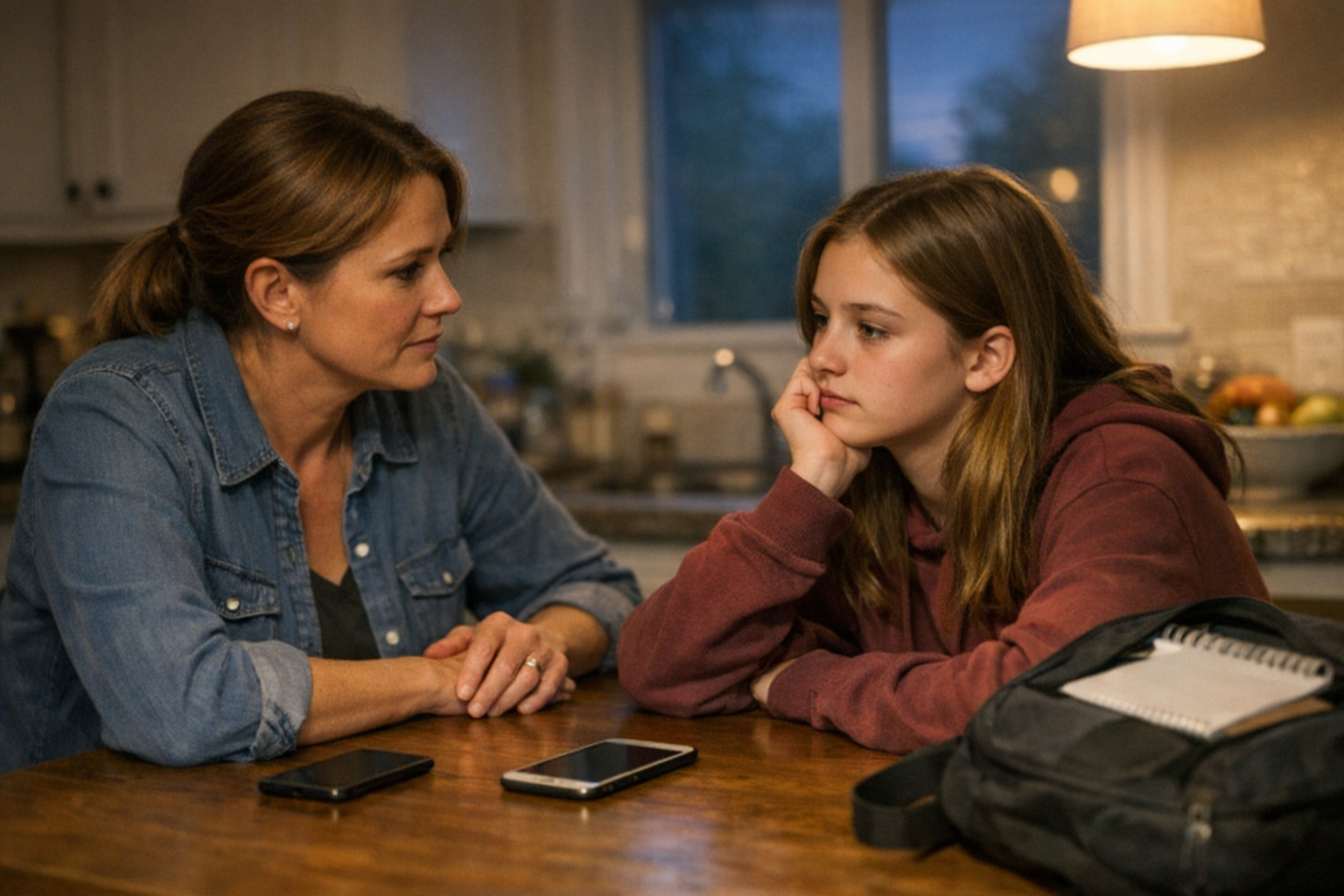
Teen Drinking: Warning Signs, Boundaries, and How to Talk Without a Blowup
Finding out (or suspecting) your teen has been drinking can bring up fear, anger, and a lot of “What now?” questions. Many parents worry that one wrong move will push their teen further away—or accidentally make drinking more appealing.
This guide stays focused on what helps most in the moment: clear boundaries that still allow age-appropriate autonomy, calm conversation scripts, warning signs that matter, and when it’s time to bring in professional support.
Advice:
If you feel stuck between being too strict and too permissive, start by checking your “middle ground”: clear rules, steady follow-through, and a relationship your teen will actually talk in. The Parenting Test can help you pinpoint whether boundaries, communication, supervision, or stress support is the area to strengthen first. Use that insight to choose one small change you can keep consistent this week.
For a broader overview of how alcohol can affect teen brain development and health, see Teens and alcohol. Effects of alcohol on teenage brain, health and development.
Warning Signs Your Teen May Be Drinking
No single sign proves alcohol use, and some overlap with typical teen behavior. What matters most is a pattern of changes, especially around weekends, parties, or after unsupervised time.
Behavior and mood changes
- Sudden secrecy: new passwords, hiding messages, refusing normal check-ins
- Shifts in mood: irritability, defiance, anxiety, low motivation, or emotional “flatness”
- Risk-taking: sneaking out, unsafe rides, breaking curfew, impulsive decisions
- Changes in friend group: dropping longtime friends, frequent vague plans, unclear supervision
School and routine red flags
- Grades slipping or missing assignments that are out of character
- Frequent late mornings, sleeping through alarms, weekend “crashes”
- New discipline issues or increased conflict with teachers/coaches
Physical signs that can show up after drinking
- Smell of alcohol on breath or clothing, frequent gum/mints used to cover it
- Bloodshot eyes, clumsy movement, slowed reactions, unusual sleepiness
- Nausea, headaches, or unexplained vomiting (especially after social events)
- Missing alcohol from the home or empty containers in bags/car
If you want a more detailed checklist and immediate next steps, read How to Tell If Your Teen Is Drinking Alcohol (and What to Do Next).
Boundaries + Autonomy: The Balance That Actually Works
Many teens drink because they want belonging, relief from stress, or a sense of control—not because they “don’t care.” Your job is to keep safety non-negotiable while giving your teen appropriate choices so they don’t feel they have to hide everything.
Make safety rules simple and predictable
- State the rule clearly: “No drinking. No riding with a driver who’s been drinking.”
- Explain the reason once: “My job is to keep you safe. Alcohol changes judgment fast.”
- Connect rules to privileges: more independence comes with responsible choices.
Offer autonomy inside the boundary
- Give choices you can live with: “You can go to the game, or you can go to Sam’s—either way, I need the address and pickup time.”
- Invite your teen into planning: “What’s your plan if alcohol shows up?”
- Use natural consequences when possible: reduced unsupervised time, earlier curfew, or rides instead of driving.
Close common loopholes
- Transportation: require a plan you can verify and an always-available pickup option.
- Money: limit untracked cash; use transparent allowances or specific reimbursements.
- Parties: confirm supervision with another adult when feasible; set clear expectations before your teen leaves.
For more parent actions that lower risk over time, see Teen Drinking: What Parents Can Do and Why It Matters.
Calm Conversation Scripts (So You Don’t Lose the Relationship)
A calm approach doesn’t mean you approve of drinking—it means you’re more likely to get honest information and keep your teen safer.
Start the conversation
Script: “I’m not here to yell. I’m worried about your safety. Can we talk about what happened and what led up to it?”
If your teen denies it
Script: “I hear you. I’m still seeing some signs that concern me. Here’s what I noticed: ________. Let’s figure out what’s going on and how we keep you safe.”
If your teen admits it
Script: “Thank you for telling me. We can handle this. I’m going to ask some questions so I understand what risk you were in—and then we’ll talk about next steps.”
Ask questions that get real answers
- “Where were you and who was there?”
- “How much did you have? What was it?”
- “Did anyone drive after drinking?”
- “Was anything else involved—vaping, cannabis, pills, energy drinks?”
- “What made drinking feel worth it in that moment?”
Set consequences without shaming
Script: “We’re not doing punishment for punishment. We’re rebuilding trust and keeping you safe. For now, the boundary is ________ for ________ weeks, and we’ll review it on ________.”
Script: “You’re not in trouble for calling me. If you’re ever in a situation with alcohol, I will come get you—no yelling in the car. We’ll talk the next day.”
What to Do If You Think Your Teen Drank Recently
If you suspect your teen is currently intoxicated, prioritize safety over questioning.
- Stay with them and keep them awake and on their side if they’re very sleepy or vomiting.
- Do not let them drive or ride with another teen driver.
- If you suspect alcohol poisoning, call 911 (or your local emergency number). Signs can include trouble breathing, repeated vomiting, seizures, bluish or pale skin, confusion, or inability to wake.
For additional health risks (including what can happen with even small amounts for kids and teens), see What Happens When a Child Drinks Alcohol: Health Risks for Kids and Teens.
When to Seek Professional Help
If drinking is becoming a pattern, or you’re seeing mental health or safety risks, professional support can be an important next step. Consider contacting your pediatrician, a licensed mental health professional, or a substance use counselor if you notice:
- Repeated drinking, escalating use, or inability to stop once started
- Blackouts, memory gaps, or dangerous risk-taking while drinking
- Mixing alcohol with other substances
- Major mood changes (depression, anxiety, aggression) or self-harm talk
- School, legal, or relationship fallout tied to alcohol
- Signs of alcohol poisoning or any medical emergency (call 911)
Authoritative health organizations provide guidance on underage drinking risks and safety, including the CDC, the American Academy of Pediatrics (AAP), and the World Health Organization (WHO). Your teen’s doctor can also screen for substance use and co-occurring anxiety or depression and recommend appropriate treatment options.
Tip:
If conversations keep turning into power struggles, focus on one goal: steady limits with a calmer tone. The Parenting Test can help you identify what to adjust first—follow-through, supervision, or connection—so you’re not trying to fix everything at once. Bring the results into a family conversation and choose one boundary and one support step to practice for the next two weeks.
If you’re worried your teen may be drinking, you’re not alone—and you don’t have to choose between “cracking down” and doing nothing. Clear safety boundaries, small doses of autonomy, and calm, repeatable conversations can protect your teen while keeping the relationship strong enough for them to come to you when it matters.