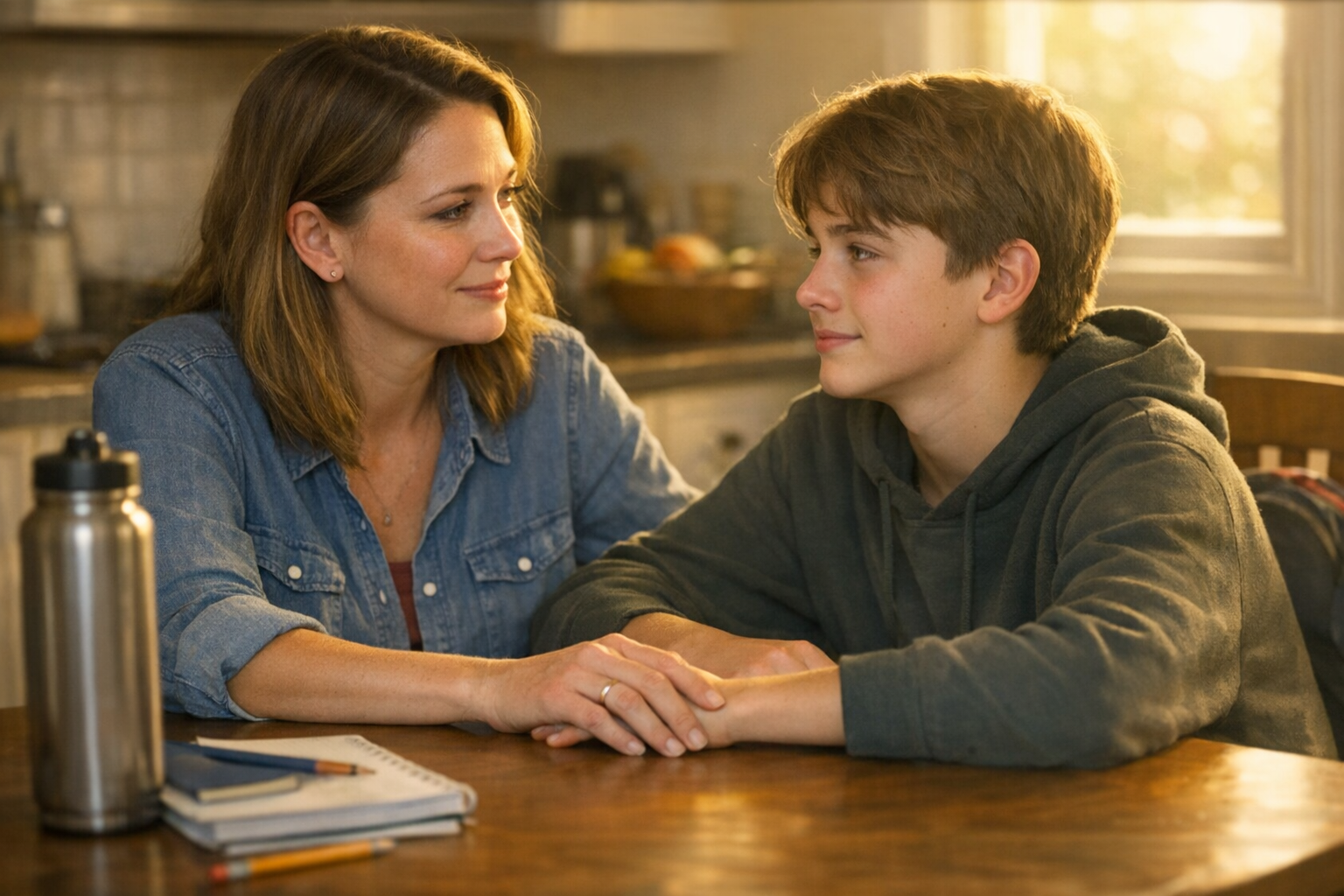
When a Mom Thinks “I Hate My Child”: A Burnout Moment, Not a Life Sentence
Having the thought “I hate my child” can feel terrifying—especially if you love your child and would never want to hurt them. For many parents, it shows up in a specific moment: after hours of defiance, noise, sibling conflict, or a teen blowup when you’re already running on fumes.
In most cases, that word “hate” is shorthand for something more precise: I’m overloaded, I feel trapped, I don’t know what to do next, and I need relief. This article focuses on that exact scenario—what’s usually underneath the feeling and what to do in the next 10 minutes, the next 24 hours, and the next week.
If you want broader ideas for strengthening connection over time, see this guide: Top 10 factors that create a good parent child relationship.
Advice:
If you’re feeling shocked by your own intensity, pause and gather a little information before you judge yourself. The Parenting Test can help you spot patterns—like chronic sleep loss, constant power struggles, or feeling unsupported—so you can choose a realistic first change. It’s not a diagnosis; it’s a starting point for calmer, more intentional next steps.
What “I Hate My Child” Often Means (Common Hidden Feelings)
Parents rarely mean literal hate. More often, the feeling is a blend of stress responses and unmet needs that have been building for a while. Here are the most common drivers.
1) Nervous system overload (fight/flight)
When your body is in “threat mode,” your brain shifts toward survival: short fuse, black-and-white thinking, and harsh words. Triggers can include constant noise, repeated boundary-pushing, or feeling disrespected—especially when you haven’t had recovery time.
2) Burnout and resentment from carrying too much
Burnout can look like irritability, emotional numbness, snapping over small things, or wanting to be left alone. Resentment often builds when you feel like the default parent, your effort is invisible, or you can’t meet your own basic needs (sleep, food, quiet, adult connection).
3) Grief over the parenting you hoped for
Some parents are grieving: a child’s learning or behavior challenges, family stress, a divorce, financial strain, or the loss of the “easy” relationship they expected. Grief can come out sideways as anger.
4) Feeling powerless in the face of behavior you can’t control
When you don’t understand why your child is melting down, lying, refusing school, or exploding, it’s easy to interpret it as personal or intentional. Powerlessness is a fast track to rage—even for calm, loving parents.
5) Postpartum or perinatal mood changes
After pregnancy, birth, or adoption, some parents experience intense mood changes, anxiety, irritability, or intrusive thoughts. These symptoms are common and treatable, but they deserve attention and support.
The 10-Minute Reset (What to Do When You’re at Your Limit)
Use this quick plan when you feel that “I can’t take this” surge. Your goal is not to solve the whole relationship right now—it’s to prevent damage and get back to steadier ground.
Step 1: Create a safe pause
- If your child is safe, take a brief break: step into the bathroom, porch, or another room.
- If your child is not safe to leave alone, create space where you can still supervise (for example, stand in the doorway and breathe).
Step 2: Use a simple script (say it out loud)
Choose one of these and repeat it like a policy statement:
- For younger kids: “I’m too upset to talk kindly. I’m taking a short break. I will come back.”
- For tweens/teens: “This is turning hurtful. I’m pausing for 10 minutes. We’ll try again when we can be respectful.”
- If you yelled: “I raised my voice. That’s not okay. I’m calming down, and we’ll restart.”
Step 3: Regulate your body before you problem-solve
- Drink water and eat something with protein if you haven’t.
- Try 6 slow breaths (inhale 4, exhale 6).
- Lower stimulation: dim lights, reduce noise, put your phone down.
Step 4: Decide the next smallest action
Ask: What is the next “least bad” step? Examples: move to separate rooms, postpone the discussion, write down what you want to say, or text a trusted adult for backup.
A 24-Hour Repair Plan (So This Moment Doesn’t Define Your Relationship)
Repair is not a perfect speech. It’s a short, steady message: “We can have conflict and still be safe with each other.”
Use this 4-sentence repair script
Adapt it to your child’s age:
- 1) Name what happened: “Earlier, I yelled and said hurtful things.”
- 2) Take responsibility: “That was my job to manage, and I didn’t.”
- 3) Reassure connection + boundaries: “I love you, and we still need to handle the rule/problem.”
- 4) Make a plan: “Next time I’m overwhelmed, I’ll take a break. Let’s try again after dinner.”
Then do one small reconnecting action
- Ten minutes of a shared activity (walk, game, show, snack).
- A neutral check-in: “What was the hardest part of today?”
- One specific positive note: “I noticed you helped your sibling. That mattered.”
If your child is also using harsh language, you can address that without a lecture. Keep it short: “We can be angry, but we don’t use words that attack. Try again with different words.” If your child often says “I hate you,” these may help you understand what’s underneath: 5 reasons why your child says «I hate you» and 10 reasons why kids say: «I hate you».
Prevent the Next Blowup: A One-Week “Pressure-Release” Checklist
You don’t need a whole new personality. You need fewer pressure points.
- Pick one predictable hotspot (mornings, homework, bedtime, screens) and simplify it for 7 days.
- Lower the number of commands: choose 2 non-negotiables and let the rest wait.
- Build in two short breaks for you (even 10 minutes). If possible, schedule help rather than “hoping you’ll get a break.”
- Use fewer words during conflict: repeat one boundary statement instead of debating.
- Track your top 3 triggers (hungry, tired, disrespected). Write down what helps most for each.
When to Seek Professional Help
If the thought “I hate my child” is frequent, feels uncontrollable, or comes with urges to harm yourself or your child, it’s important to get professional support promptly. You deserve help, and early support can make a big difference.
- Seek urgent help if you fear you might hurt yourself or your child, or if there is violence in the home.
- Consider talking with a pediatrician, therapist, or postpartum mental health provider if you notice persistent rage, depression, anxiety, intrusive thoughts, or feeling detached from your child.
- For teens and ongoing conflict, family therapy or parenting support can help you rebuild safety and communication. If you’re navigating teen hostility, this may also be relevant: Why does my teenager hate me? Is it common for teens to hate their parents?
Credible guidance and screening information on perinatal mood and anxiety disorders is available through the American Psychological Association (APA) and the American Academy of Pediatrics (AAP). If you’re unsure where to start, your child’s pediatrician or your primary care provider can help with referrals and next steps.
Recommendation:
If you want a clearer picture of what’s driving the conflict in your home, the Parenting Test can help you identify your biggest stress points and the patterns that keep repeating. Use the results to choose 1–2 changes for this week—like a consistent pause script, a simplified routine, or getting more support at your hardest time of day. If you’re feeling stuck, bring those insights to a counselor or pediatrician for extra guidance.
That “I hate my child” moment is a signal—not your identity. With a safer pause, a repair script, and a plan to reduce overload, many families find their way back to steadier connection and more respectful communication.