How Parental Drinking Can Affect Kids: Warning Signs, Safety Steps, and What to Say
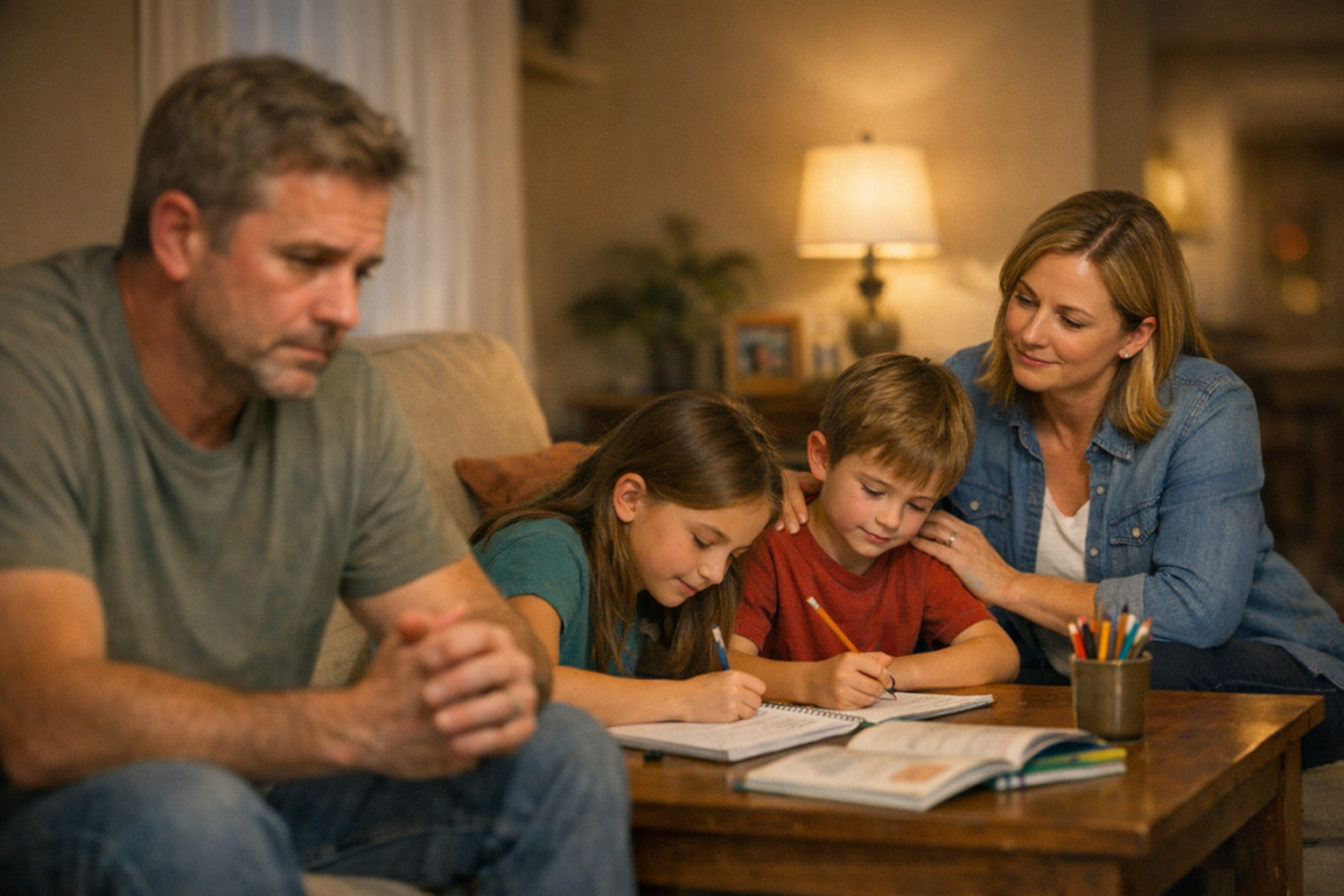
When alcohol use becomes unpredictable or heavy in a home, kids often adjust in ways adults don’t notice right away. Some become extra responsible. Others act out, shut down, or try hard to keep the peace.
This guide focuses on what parents and caregivers can do right now: spot warning signs, reduce risk in the home, use non-judgmental language, and know when to get urgent help. For a deeper look at how alcohol can affect teen development and decision-making, see Teens and alcohol. Effects of alcohol on teenage brain, health and development.
Advice:
If you’re unsure how your drinking (or a partner’s) may be landing with your child, use a quick check-in to guide your next conversation. The Parenting Test can help you reflect on patterns like consistency, stress responses, and conflict style at home. Use the results to pick one realistic change to practice this week, then reassess.
Common warning signs in kids (and what they might be signaling)
Kids can love their parent deeply and still feel unsafe around drinking. Warning signs don’t prove alcohol is the cause, but they can signal chronic stress at home.
Emotional signs
- Walking on eggshells, scanning the room for mood shifts
- Intense worry about a parent’s well-being or the family “falling apart”
- Shame, secrecy, or embarrassment about home life
- Emotional shutdown (numbness) or big reactions that seem sudden
- Persistent sadness, irritability, or frequent crying
Physical and school signs
- Sleep problems (nightmares, trouble falling asleep, sleeping at odd times)
- Headaches, stomachaches, nausea, or “not feeling well” without a clear cause
- Difficulty concentrating, drop in grades, missed assignments
- More visits to the nurse, frequent lateness, or avoiding after-school activities
Behavior and safety signs
- Frequent arguments, defiance, or out-of-proportion reactions
- Parentified behavior (trying to manage siblings or the household)
- Avoiding home, staying at friends’ houses, or running away
- Taking care of an impaired adult (hiding keys, cleaning up, monitoring)
- Early experimentation with alcohol or other substances
If your concern includes your child’s own drinking, compare signs and next steps in Teen Drinking: Warning Signs and How Parents Can Help and What Happens When a Child Drinks Alcohol: Health Risks for Kids and Teens.
Why kids “take on roles” (and how to respond without labels)
In homes affected by alcohol, kids often adapt to reduce conflict or create predictability. These patterns aren’t personality flaws. They’re coping strategies.
- The responsible one: acts older than their age, manages siblings, tries to prevent problems
- The peacekeeper: mediates, apologizes, works hard to keep everyone calm
- The invisible one: stays quiet, disappears into screens/books, avoids attention
- The comedian: uses humor to diffuse tension, may struggle with focus
- The blamed one: gets targeted during conflict and expects criticism
Instead of assigning a label, try this approach: name what you see, validate the feeling, and give the child a job that fits their age. Example: “I notice you’re trying to handle a lot. You don’t have to manage the adults. Your job is school and being a kid. My job is keeping you safe.”
Safety steps that reduce risk quickly
If alcohol is contributing to conflict, scary moments, or neglect, small concrete changes can lower risk while you work on bigger next steps.
Make the home safer during drinking times
- Plan supervision: identify a sober adult who can reliably handle meals, bedtime, and transportation.
- Lock up alcohol and medications when possible; keep car keys secured if someone may drive impaired.
- Create a “safe room” plan for kids: a place they can go if voices rise or they feel scared.
- Choose a code word your child can use to signal, “I need help now.”
Reduce conflict exposure
- Set a rule: no arguing about drinking in front of the kids.
- If a conversation escalates, pause and separate: “We’ll talk when everyone is sober and calm.”
- After a tough night, repair with your child: brief, honest, age-appropriate, and reassuring.
Protect routines
- Keep school mornings, meals, and bedtime as consistent as possible.
- Have a backup plan for rides and activities (neighbor, family member, rideshare account managed by a sober adult).
Non-judgmental scripts for hard conversations
Kids do best with language that is calm, specific, and not blame-heavy. The goal is to build trust and safety, not extract a confession or win an argument.
To start the conversation with your child
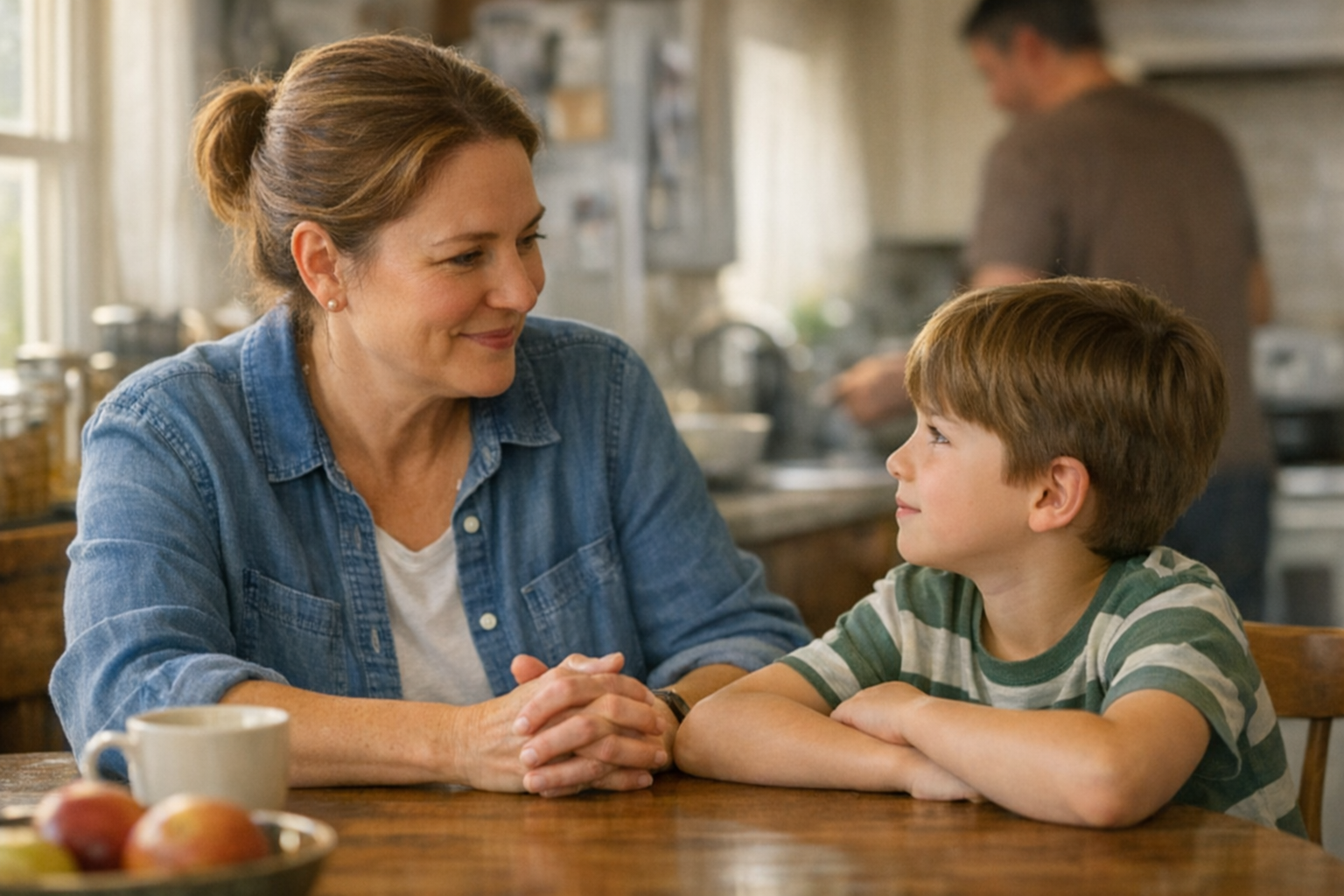
Script: “I’ve noticed things feel tense at home sometimes. I want to check on you. When you notice me (or another adult) has been drinking, what’s that like for you?”
Follow-up: “You’re not responsible for adult choices. If you ever feel unsafe, you can call me, call (trusted adult), or go to (safe place).”
To acknowledge harm without over-sharing
Script: “Last night was not okay. You may have felt worried or uncomfortable. I’m sorry you went through that. I’m working on changes, and your job is to tell me if you feel unsafe.”
To set a boundary with a co-parent or partner
Script: “I’m not going to discuss drinking while you’ve been drinking. We can talk tomorrow. Tonight, the priority is the kids’ safety and a calm home.”
If your teen confronts you directly
Script: “I hear you. I’m not going to argue. I can see this affects you, and I take that seriously. I’m willing to get help and make a plan so you feel safer.”
What not to do (common reactions that backfire)
- Don’t ask kids to keep secrets (“Don’t tell anyone”) or to cover for adults.
- Don’t make kids your confidant about adult relationship problems.
- Don’t force a child to “prove it” with details if they’re hesitant; focus on how they feel and safety planning.
- Don’t promise what you can’t guarantee (“It will never happen again”). Instead, promise specific steps.
When to seek professional help (and when it’s urgent)
Alcohol misuse and family stress can overlap with anxiety, depression, trauma responses, and safety risks. A pediatrician, licensed therapist, or addiction professional can help you sort out what’s happening and build a plan tailored to your family.
Seek professional support soon if you notice:
- Your child shows persistent anxiety, depression, self-harm talk, or major behavior changes.
- School avoidance, repeated suspensions, or sudden social isolation.
- Ongoing parental conflict, intimidation, or emotional abuse in the home.
- You’re unable to cut back despite negative effects on parenting or daily life.
Seek urgent help now if:
- A child is in immediate danger, being left unsupervised, or riding with an impaired driver.
- There is violence, threats, or you fear someone may be harmed.
- Anyone has alcohol poisoning symptoms (confusion, vomiting, slow/irregular breathing, trouble staying awake).
- A child or teen has suicidal thoughts, a plan, or access to means.
In the U.S., you can contact emergency services for immediate danger. For suicide and crisis support, the 988 Lifeline is available by call or text.
Authoritative guidance you can rely on
- CDC: information on underage drinking risks and prevention
- AAP (American Academy of Pediatrics): guidance for families on substance use and teen health
- NIAAA (NIH): research-based resources on alcohol and health
- WHO: public health guidance on alcohol harms
If you’re trying to understand the broader ripple effects across the household, read How Parental Drinking Affects Kids and Family Life.
Tip:
If you want a calmer starting point, take the Parenting Test and choose one specific action that improves safety and trust (for example: no arguments in front of the kids, a bedtime routine protected by a sober adult, or a repair conversation after a hard night). Consider sharing your result with a pediatrician or therapist to guide next steps. You’re not alone, and getting support is a practical parenting decision.
Families can recover from stressful patterns, especially when kids see consistent follow-through: safer routines, respectful communication, and adults who get the help they need. If alcohol is affecting your home, focusing on safety and honest repair is a strong first step.