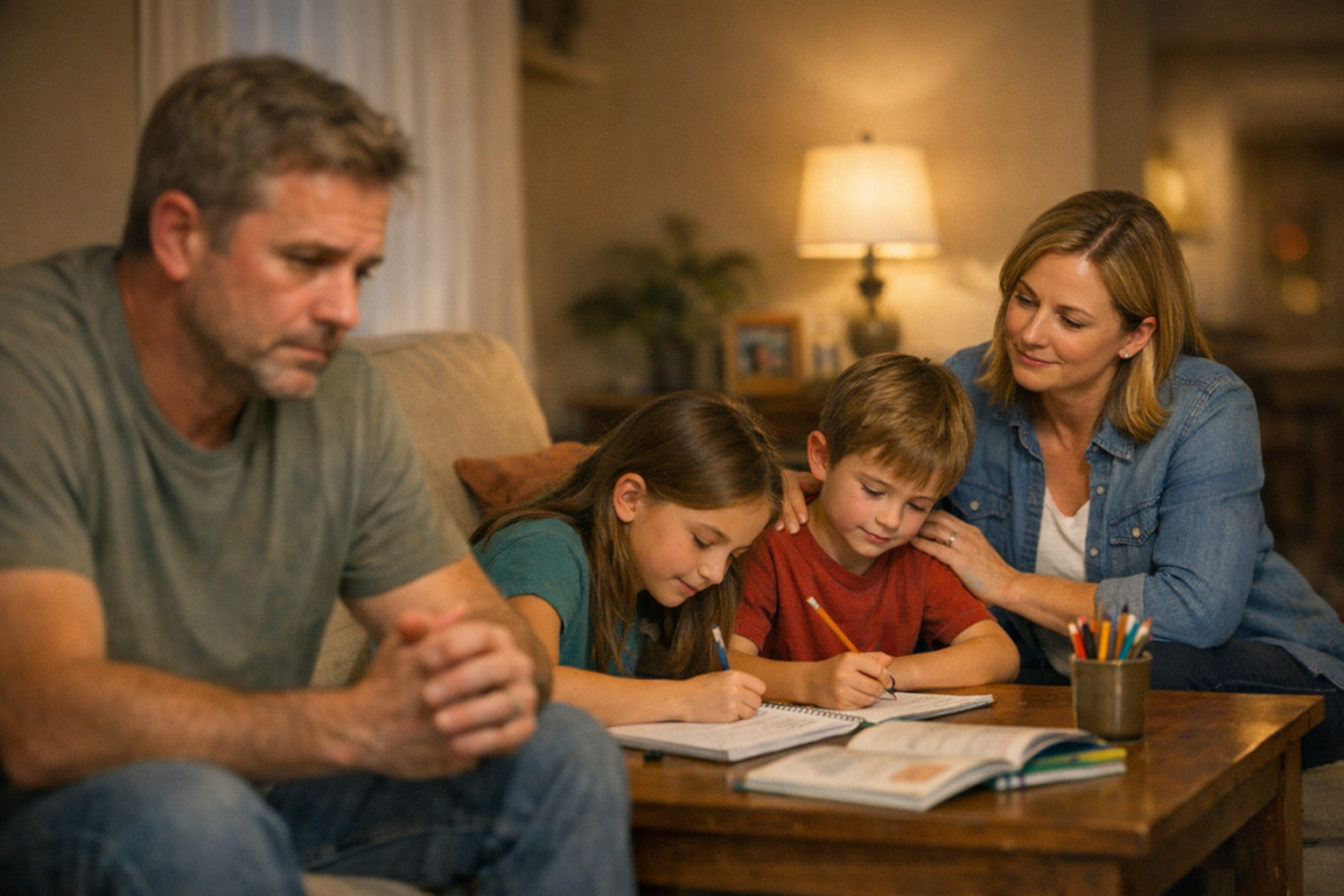
How to Explain Alcoholism to a Child (With Compassion and Clarity)
When a parent (or another close adult) misuses alcohol, kids often live with confusing moments: promises that don’t happen, sudden mood shifts, or a home that feels unpredictable. Many children try to make sense of it by blaming themselves or staying quiet to “keep the peace.”
You don’t need perfect words. What helps most is calm, honest language, clear safety steps, and repeated reassurance that your child is not responsible for an adult’s drinking.
If you also have a teen in the home, it can help to understand the bigger picture of alcohol and adolescent development. This guide on teens and alcohol and its effects on brain health and development offers background you can use in age-appropriate conversations.
Advice:
If you’re unsure how much your child is absorbing, a quick self-check can help you notice patterns like secrecy, parentification (your child acting like the grown-up), or frequent worry. The Parenting Test can help you organize what you’re seeing and choose a calmer next step for your family. Use the results to guide your wording and decide what boundaries or routines need tightening.
What Kids May Experience in a Home Affected by Alcohol
Children rarely describe the problem as “alcoholism.” They describe the feeling: tension, unpredictability, embarrassment, or fear. Over time, many kids absorb unspoken rules like:
- Don’t talk about it (secrecy becomes “normal”).
- Don’t make it worse (walking on eggshells, people-pleasing).
- Don’t feel too much (shutting down, numbing, overusing screens).
Even when there is love in the home, alcohol misuse can make daily life swing between strictness and chaos. Kids may stop bringing friends over, avoid asking for help, or become hyper-alert to a parent’s tone of voice.
Warning Signs Your Child Is Being Affected (Even If They Don’t Talk About It)
Every child responds differently, but these signs can suggest stress related to alcohol problems at home:
- Body and sleep changes (headaches, stomachaches, trouble sleeping, nightmares).
- School shifts (falling grades, frequent absences, losing focus, sudden perfectionism).
- Behavior changes (irritability, frequent arguments, risky behavior, lying to “manage” situations).
- Emotional signs (anxiety, sadness, shame, guilt, intense worry about the drinking parent).
- Over-responsibility (caring for siblings, monitoring the adult, trying to prevent conflict).
- Withdrawal (quiet, isolated, unusually “easy,” disappearing into devices or hobbies).
If you’re noticing these patterns alongside alcohol misuse, you’re not overreacting. It’s a signal to increase stability and support.
Immediate Safety Steps (Especially When Drinking Leads to Unpredictable Behavior)
If alcohol use is creating unsafe situations, prioritize safety planning over “finding the perfect talk.” A simple plan can reduce fear and help your child feel less trapped.
Create a basic safety plan your child can remember
- Safe people: Identify 2–3 trusted adults your child can contact (family, neighbor, coach, school counselor).
- Safe places: Choose a nearby place they can go if things escalate (a neighbor’s house, a relative’s home).
- Safe signals: Pick a phrase or text your child can use that means “I need help now.”
- Emergency rules: Teach them how to call 911 and when to use it (violence, threats, unsafe driving, medical emergencies).
Set firm boundaries that protect kids from adult situations
- No child as referee: “You never have to break up adult arguments.”
- No child as caretaker: “You don’t have to manage an adult’s drinking or mood.”
- No riding with an impaired driver: Make it a non-negotiable rule and practice what they can say.
If there’s immediate danger or domestic violence, consider contacting local emergency services or a domestic violence hotline for safety planning. If a child might be harmed or is being neglected, professional guidance can be essential.
How to Explain Alcoholism to a Child: What to Say (Non-Judgmental Scripts)
A helpful goal is to be truthful without turning your child into a confidant, therapist, or messenger. Keep your tone steady, your words simple, and your focus on safety and reassurance.
Start by naming what they may already notice
Try: “You may have noticed that when Dad drinks, he acts different. That can feel confusing or scary.”
Avoid: “It’s not a big deal,” or “You’re imagining things.” (Kids usually trust what they observe.)
Reassure them about responsibility
Try: “This is not your fault. You didn’t cause it, and you can’t control it.”
Why it matters: Many children assume, “If I were better, this wouldn’t happen.”
Describe alcoholism in kid-friendly language
- For younger kids (approx. 4–7): “Alcohol is a grown-up drink. Sometimes it makes a person’s brain not work right, and they can make unsafe choices. Our job is to keep you safe.”
- For school-age kids (approx. 8–12): “Some people’s bodies and brains have a hard time stopping once they start drinking. It can change how they talk and act, even if they love you.”
- For teens: “Alcohol use disorder is a health condition that affects behavior and decision-making. It’s still the adult’s responsibility to get help and to keep the family safe.”
Protect your child from loyalty conflicts
Try: “Your mom/dad is more than this problem. We can care about them and still name what isn’t okay.”
Avoid: “Your dad is bad,” or “You’ll end up like her.” (Shame and sides don’t build safety.)
Use a script for awkward public moments
Kids often fear being embarrassed. Give them a line they can use if someone asks questions.
Try: “My family is dealing with a grown-up problem. I don’t want to talk about it.”
Why Some Kids Seem “Fine” (And Others Act Out)
Children cope in different ways. One child might become the helper who over-functions; another may distract with humor; another may get loud, angry, or defiant; another may disappear emotionally. These are often stress responses, not character flaws.
If you want to understand common family patterns around parental drinking, see how parents’ alcohol use can affect kids: common patterns and how parental drinking affects kids and family life.
How to Talk When Your Child Asks Hard Questions
“Does Mom love me?”
Try: “Yes. And alcohol can still make her act in ways that don’t feel loving. You deserve care and consistency.”
“Why can’t they just stop?”
Try: “Stopping can be very hard for some people because alcohol changes the brain and habits. Adults need adult help for this.”
“Should I tell someone?”
Try: “You’re allowed to ask for help. If you ever feel unsafe, telling a trusted adult is the right thing to do.”
When to Seek Professional Help
Consider reaching out to a pediatrician, licensed therapist, school counselor, or local support services if you notice any of the following:
- Your child talks about self-harm, not wanting to live, or shows signs of severe depression or anxiety.
- There is violence, threats, or your child is afraid to go home.
- Your child is using alcohol or drugs, or engaging in other high-risk behavior.
- Neglect is occurring (lack of supervision, missed medical care, frequent intoxication impacting caregiving).
- You feel stuck in constant crisis mode, or conversations escalate into fear, yelling, or shutdown.
For health guidance, you can also review youth and alcohol information from the CDC and the American Academy of Pediatrics (AAP). For mental health concerns, the APA provides resources on finding psychological help. If you suspect alcohol poisoning or an emergency, call 911.
If You’re Also Worried Your Teen Is Drinking
Alcohol problems in the home can increase a teen’s exposure to drinking and normalize risky behavior. If you’re noticing possible use, focus on safety, facts, and calm follow-through.
For a step-by-step approach, read how to tell if your teen is drinking alcohol (and what to do next).
Tip:
If you’re trying to decide what to address first—your child’s stress signals, household routines, or boundaries around drinking—use a simple tool to clarify your next conversation. The Parenting Test can help you identify where your family is getting stuck (like inconsistency, emotional overload, or unclear limits). Take one or two suggestions and practice them for a week, then reassess with your child.
Your child doesn’t need you to have all the answers. They need honesty they can handle, a plan for what to do when things feel unsafe, and repeated reassurance that they are not alone and not to blame.